OEM vs. ODM: Which Apparel Manufacturing Model Fits Your Brand?
Compare apparel OEM and ODM by design ownership, development responsibilities, timing and customization.
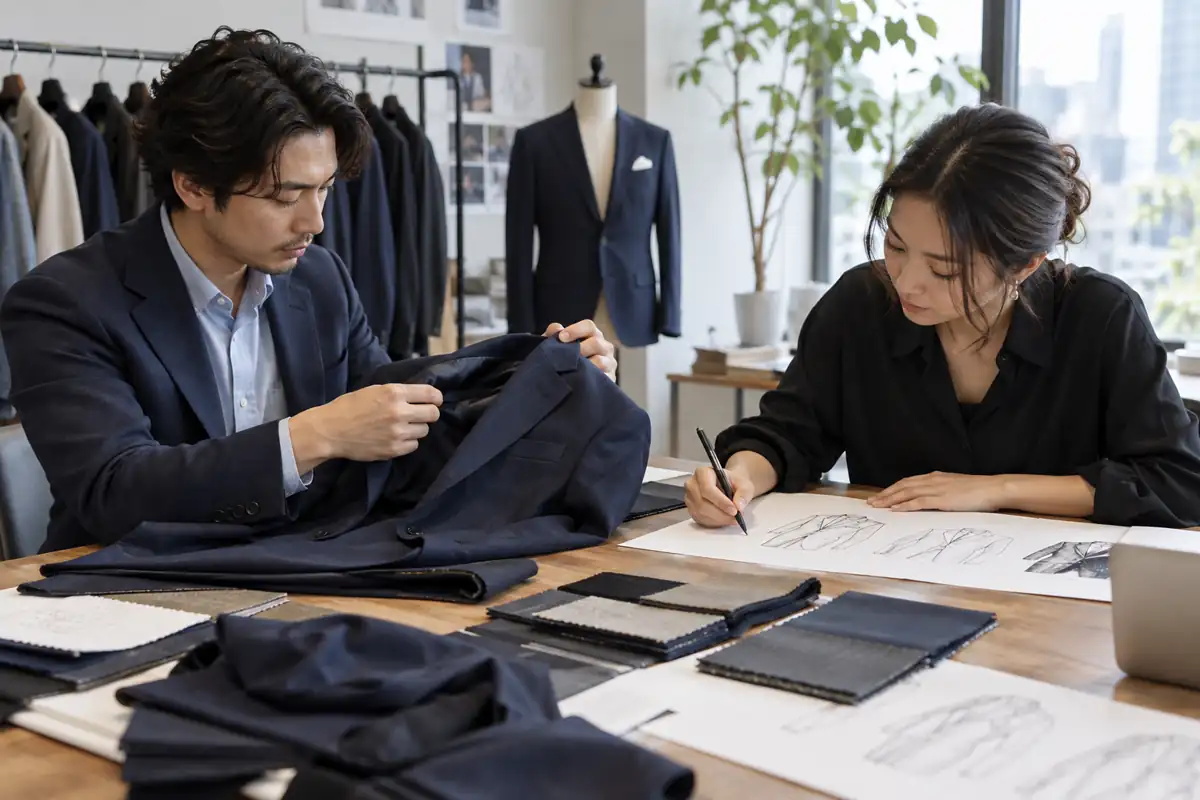
The difference starts with who provides the design
Choose based on existing design resources, development time and how much differentiation is needed.
OEM starts with the brand's specifications
The brand supplies drawings, measurements, materials and process instructions. The manufacturer develops and produces to them. This suits brands with a clear product direction and control needs.
ODM provides a starting product design
The supplier can offer base patterns, fabric recommendations and collection directions. The brand selects and customizes within agreed limits.
Agree who can use the design
Set terms for patterns, artwork, exclusive prints and existing styles before starting. A design available to several buyers is not automatically exclusive.
Compare time and cost structures
OEM generally requires more upfront work from the brand. ODM can move faster from a developed base. Material, quantities and customization still drive final cost.
A hybrid approach can work
Start with a proven block and change lapels, pockets, cloth or color to create a recognizable garment without starting over.
Review the actual responsibilities
Design input, approval authority and permitted use need to be clear. Business terms matter more than the label alone.
Verify on a real sample
Check outline, construction and movement so the final garment reflects the brand's requirements.
Choose a starting point you can support
OEM works when the brand knows what it wants to make. ODM can be useful when it first needs viable design options.
Why a First Garment Sample May Not Fit →