
How a Suit Is Made: 24 Key Steps in the Manufacturing Process
From fabric preparation and pattern making to cutting, sewing, pressing and final inspection, discover the key stages involved in manufacturing a suit and maintaining consistent quality.
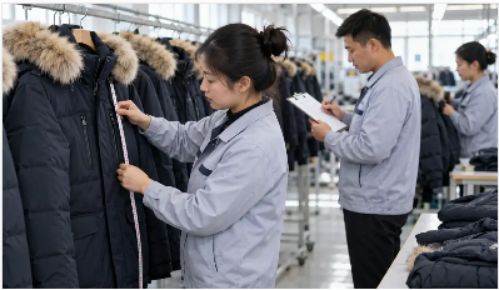
Inside the workshop
From fabric preparation and pattern making to cutting, sewing, pressing and final inspection, discover the key stages involved in manufacturing a suit and maintaining consistent quality.
Start with fabric inspection
Check defects, separate dye lots and test shrinkage before the fabric reaches the cutting table. Natural fibers can vary in shade and tension. Sorting before marker planning helps prevent visible shade differences between panels in daylight.
The pattern translates a three-dimensional shape
Flat pattern pieces translate the body's curves. Shoulder slope, chest darts, back length and sleeve-cap ease work together; changing one without considering the others can throw the jacket out of balance.
The rhythm of sewing
Assemble darts, pocket openings, fronts, collars and armholes in the required order. Operators align edges and notches while watching for unwanted stretch or gathering.
Pressing shapes the silhouette
Pressing happens throughout construction. Controlled shrinking and stretching help cloth follow the chest, shoulder blades and waist. Heat, pressure and steam need to suit the fibers.
Inspection goes beyond measurements
Along with body length, chest and sleeve length, check collar contact, front alignment, vent closure and whether both sleeves hang at the same angle.
Putting the stages together
Inspection, sewing and final checks work as a chain. Look at how the fabric, garment proportions, movement and environment combine before applying a rule from another suit.
Verify the result in wear
Look at the full silhouette, examine cloth and workmanship close up, then sit, reach and walk. Each view shows something the others miss.
Why good tailoring looks simple
A clean, balanced silhouette conceals many technical decisions. The more natural it looks, the more precise and consistent the work behind it must be.
Why Check a Women's Trouser Waistband While Seated? →
Tucked or Untucked? Design the Shirt Hem for the Way It Will Be Worn →